
Marketing
Digital Marketing vs Traditional Marketing
A strategic comparison of digital marketing and traditional marketing methods, focusing on target precision, conversion metrics, tracking ROI, and startup budgeting.
Audience targeting: Precision vs broad broadcast
Traditional marketing (newspaper ads, hoardings, pamphlet distribution) broadcasts a message to a general audience. While this builds generic brand awareness, it is highly inefficient for niche products and services.
Digital marketing lets you target demographics, locations, search terms, and user interests precisely. For example, a luxury real estate builder can show ads specifically to high-net-worth individuals actively looking for properties in their city, reducing ad spend waste.
Tracking the loop: Data analytics vs rough estimates
When printing a billboard, it is impossible to calculate how many customers visited your store because of that ad. Traditional marketing lacks concrete tracking loops. You are paying for views that cannot be measured.
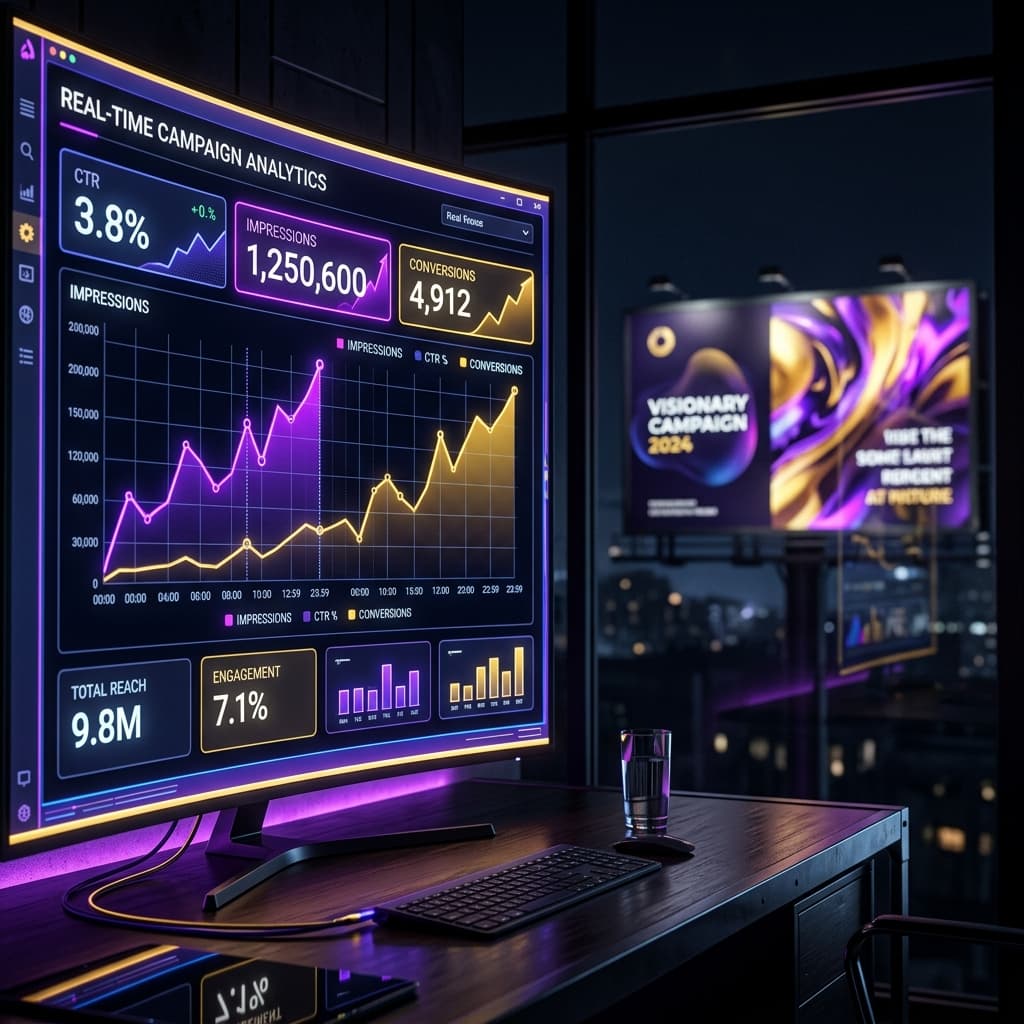
Digital marketing runs on real data. Analytics tracking tools show exactly how many users saw your ad, clicked through to your website, filled a lead form, or placed an order, allowing you to calculate your return on investment (ROI) precisely.
Budget control and Cost Per Acquisition (CPA)
Traditional campaigns require high upfront payments (e.g., printing and hiring hoarding spaces). If the campaign fails to generate leads, that capital is lost. Digital marketing runs on flexible daily budgets.
You can test digital ad campaigns with small daily limits, monitor the Cost Per Acquisition (CPA), and scale up budgets only when the conversion funnel proves profitable, preserving cash flow.
The omnichannel synergy model
The most successful companies do not completely discard traditional formats; they connect them to digital assets. A newspaper ad or print brochure should feature a QR code linking to a high-converting Next.js landing page.
This bridge captures physical traffic, converts users online, and lets you retarget them via Meta and Google Ads, creating an integrated omnichannel marketing loop.
Want a stronger website or marketing funnel?
ParshWebCraft can help with SEO pages, website design, ecommerce, SaaS systems, social media, ads, and lead generation.
Get Free Consultation